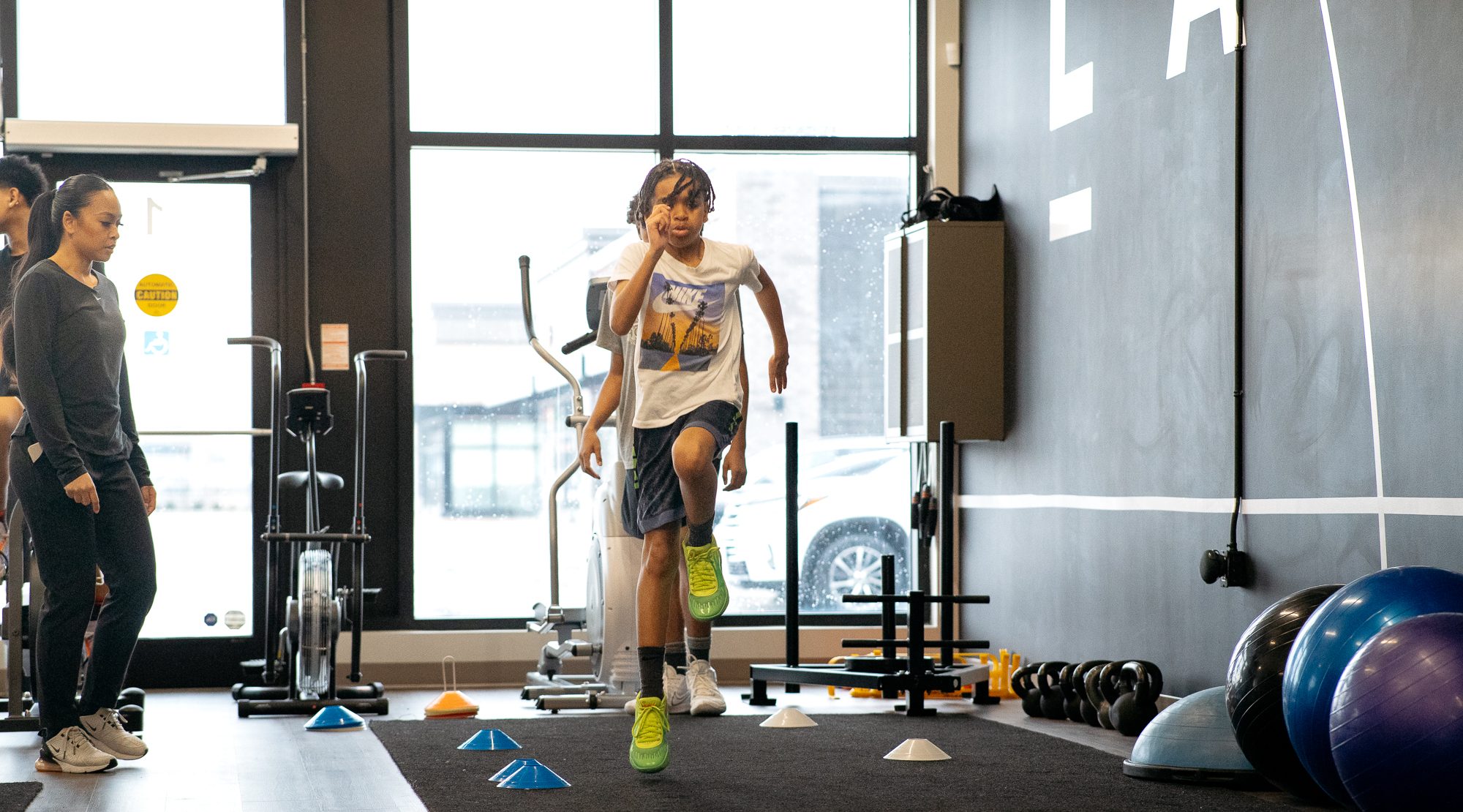
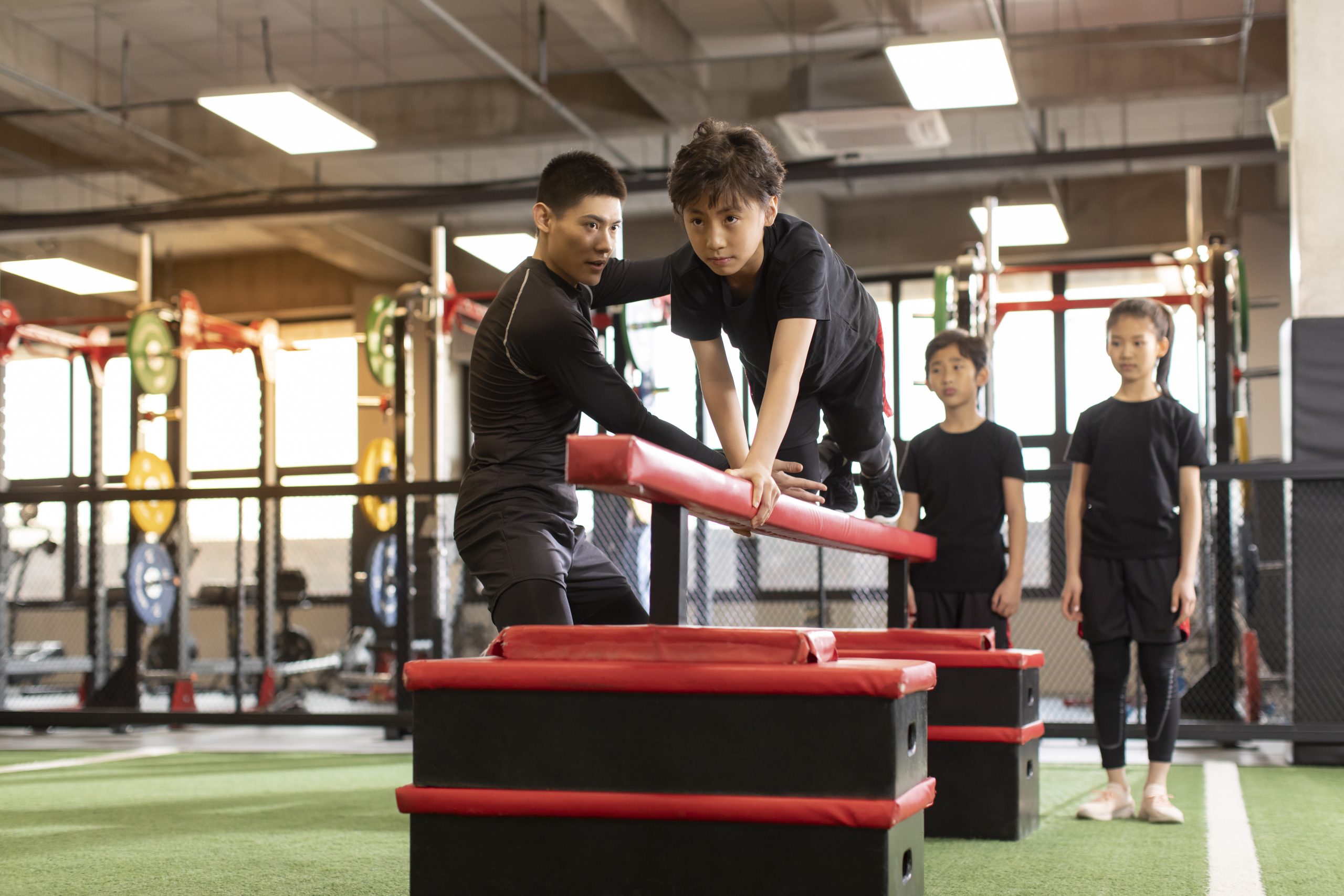
Sports come with risks, and injuries are inevitable, whether it’s football, baseball, or basketball. With the right awareness, guidance, and early education, young athletes can better understand these risks, their causes, and how to prevent them. According to the 2019 Canadian Health Survey on Children and Youth, unintentional injuries, including those from sports, sent over 20,600 Canadians aged 0–19 to the hospital in a single year (77 % were unintentional). Roughly 40% of injuries treated in Emergency Departments for children and youth under 19 are related to sports and recreational activities.
This blog will cover the top 3 causes of injuries in young athletes that often get them sidelined: overtraining, sleep deprivation and poor movement habits.
Overtraining: The Leading Cause of Injuries in Young Athletes
The pressure is high. Competition is real. To match pace, kids today train non-stop all year round, leading to complete burnout.. Overtraining is a common cause of youth athlete injuries, where the kids are pushed beyond their physiological and psychological limits. Research shows that overuse injuries make up nearly half of all pediatric sports injuries, with early single-sport specialization doubling the risk of serious overuse problems. They are unable to recover from the incessant stress and demands placed on their body during the sessions. This leads to a sharp decline in their performance despite continued or increased training.
What is Overtraining Syndrome (OTS)?
Overtraining Syndrome (OTS) occurs when you exercise intensely, repeatedly, without allowing the body to recover. This syndrome is not merely physical; it encompasses physiological, psychological, and hormonal imbalances. Studies have shown a higher incidence of overtraining in individual sports compared to team sports, with female athletes also appearing to be at a greater risk.
OTS doesn’t happen overnight.. It is the gradual buildup of physical and mental stress without enough recovery in between. One extra-hard practice won’t cause it, but weeks or months of pushing beyond the body’s limits, without rest, will.
Does early specialization lead to overtraining?
Yes, early specialization in a single sport without a structured training plan can lead to overtraining.
Early Sport Specialization (ESS) is the intensive, year-round training in a single sport, often around the age of 12-14. One large-scale study found that high school athletes who specialized in a single sport were 70% more likely to suffer an injury during their season than their multi-sport peers.
Training the same movements over and over puts repetitive strain on the same muscles and joints. This leads to muscle imbalances and overuse injuries like “Little League Elbow” in baseball or “swimmer’s shoulder” in competitive swimming.
How to Spot Overtraining in Your Athlete?
- Persistent muscle soreness or joint pain.
- Decline in performance without a clear cause.
- Chronic fatigue or low energy.
- Increased irritability, mood swings, or trouble concentrating.
- Getting sick more often than usual.
- Loss of enthusiasm or enjoyment for the sport.
How to Prevent Overtraining?
- Manage Training Load: Adhere to evidence-based guidelines, such as limiting total weekly hours of organized sport to no more than the athlete’s age in years. Furthermore, weekly increases in training volume, duration, or intensity should not exceed 10-20% to allow for proper adaptation.
- Follow the 1–2 Rule: Aim for at least 1–2 rest days per week and schedule a 1–2 month break from the primary sport every year. This allows the body to repair and the mind to recharge.
- Promote Multi-Sport Play: Switching between different sports develops varied muscle groups and motor skills, reducing the risk of repetitive strain.
- Listen to the Body: Help athletes recognize the difference between “good pain” — temporary muscle fatigue and “bad pain” that’s sharp, persistent, or joint-related.
Adequate rest in between workouts is the fundamental way to prevent OTS in the first place. It is crucial to consult coaches and trainers for a well-structured training plan specific to the child’s fitness goals.
Chronic Sleep Deprivation: Negatively Impacts Young Athletes
Sleep is a powerful tool for preventing sports injuries, yet it remains frequently neglected. The hours spent sleeping are when our body focuses on recovery. The lack of sleep slows down the recovery process, making the body more susceptible to injuries. A tired brain reacts a fraction of a second later, just enough to miss a tackle, misjudge a landing, or fail to dodge an incoming player. On the ice or the field, that delay can mean the difference between a clean play and an injury.
Impact of Good Sleep on Young Athletes
Faster reaction times- Well-rested athletes process information more quickly and respond faster, whether that’s reading an opponent’s movement or catching a pass,
Better decision-making under pressure– A rested brain can read the game more clearly and make smarter choices.
Enhanced physical recovery– During deep sleep, the body releases growth hormone, repairs muscle tissue, and restores energy stores.
Improved motor skills- Sleep consolidates muscle memory, helping athletes retain skills learned in practice.
Studies show that athletes who consistently get 8–10 hours of sleep have significantly lower injury rates than those who sleep less. Good sleep keeps reaction time sharp, stabilizing muscles and joints in high-stress movements.
Tips to Improve Sleep in Young Athletes
- Establish a Routine: Stick to consistent bedtimes and wake times, even on weekends.
- The 8–10 Hour Rule: Follow the Canadian 24-Hour Movement Guidelines for Children and Youth, which recommend 8–10 hours of quality sleep for ages 14–17.
- Create a “Power-Down” Hour: No screens for at least 60 minutes before bed. Swap scrolling for reading, gentle stretching, or listening to calming music.
- Optimize the Bedroom: Keep it cool, dark, and quiet to encourage deep, restorative sleep.
- Strategic Napping: Short, 20–30 minute naps can help recharge energy without interfering with nighttime sleep.
Sleep isn’t just rest. It’s the most underrated training tool a young athlete has. A good, consistent sleep routine can mean sharper plays, faster recovery, and fewer injuries. In a sports culture that often glorifies early mornings and late nights, protecting sleep is one of the smartest ways to protect both performance and long-term health.
Poor Movement Habits: The Basic Building Blocks of Athleticism
The third and perhaps the most overlooked cause of injuries in young athletes is the lack of proper movement skills. Fundamental Movement Skills (FMS) are the basic building blocks of movement. These include essential physical actions that children and young athletes need to master before they can perform more complex, sport-specific skills effectively and safely.
They generally fall into three broad categories:
- Locomotor skills – Moving the body from one place to another.
- Object control (or manipulative) skills – Handling and controlling objects.
- Stability skills – Balancing and controlling body position.
Just as you need letters to form words and sentences, you need these basic movements to build athletic ability and develop more sport-specific skills safely. Research consistently shows that higher FMS competency is positively correlated with better overall physical fitness, healthier body composition, and greater participation in physical activity.
Why FMS Matters for Young Athletes?
- Injury prevention: Good movement mechanics reduce stress on joints, muscles, and ligaments.
- Performance foundation: Mastering FMS makes learning advanced sport techniques easier and safer.
- Confidence and participation: Kids who move well are more likely to enjoy sports and stick with them.
- Lifelong physical literacy: Skills like balance and coordination help in everyday life, not just in competition.
How to Build a Resilient Athlete from the Ground Up?
- Do dynamic warm-ups- Prime the body with dynamic movements that mirror the demands of the sport. These warm-ups activate muscles, improve mobility, and prepare joints for quick changes in direction.
- Introduce foundational strength- Focus on simple, consistent bodyweight exercises like proper squats, push-ups, planks, and glute bridges. These build the stability and muscle balance that protect against injury and support explosive movements.
- Seek expert guidance- Working with a qualified professional can pinpoint faulty movement patterns before they turn to injury, then prescribe targeted drills to correct them.
Strong performance starts with a strong foundation. Before young athletes can master advanced skills or push their limits, they need the basics like movement patterns, strength, and stability that keep the body moving efficiently and injury-free.
Conclusion
Training young athletes is not about year-round stretching, running or warm-ups. It is more about building functional strength and movement. Three powerful, interconnected pillars of injury prevention for young athletes: getting enough quality sleep, avoiding the “more is more” trap of overtraining, and building proper movement skills from the ground up. Together, they form the backbone of safe, sustainable athletic growth, preventing injuries and keeping the child in the best shape. It is crucial for parents and coaches to equip the kids with the right tools, routines and habits that enable them to perform their best while staying healthy.
References
- Charest, J., & Grandner, M. A. (2020). Sleep and athletic performance: Impacts on physical performance, mental performance, injury risk and recovery, and mental health. Sleep Medicine Clinics, 15(1), 41–57. https://doi.org/10.1016/j.jsmc.2019.11.005
- Early sports specialization. (n.d.). In Wikipedia. Retrieved August 14, 2025, from https://en.wikipedia.org/wiki/Early_sports_specialization
- Liu, C., Cao, Y., Zhang, Z., Gao, R., & Qu, G. (2023). Correlation of fundamental movement skills with health-related fitness elements in children and adolescents: A systematic review. Frontiers in Public Health, 11, Article 1129258. https://doi.org/10.3389/fpubh.2023.1129258
- Public Health Agency of Canada. (2018, February 21). Investing in active and safe children and youth [Fact sheet]. Government of Canada. https://www.canada.ca/en/public-health/services/injury-prevention/fact-sheet-investing-in-active-and-safe-children-and-youth.html
- Wang, C., Toigo, S., Zutrauen, S., McFaull, S. R., & Thompson, W. (2023). Injuries among Canadian children and youth: An analysis using the 2019 Canadian Health Survey on Children and Youth. Health Promotion and Chronic Disease Prevention in Canada, 43(2), 98–102. https://doi.org/10.24095/hpcdp.43.2.05
- Winsley, R., & Matos, N. (2011). Overtraining and elite young athletes. Medicine and Sport Science, 56, 97–105. https://doi.org/10.1159/000320636