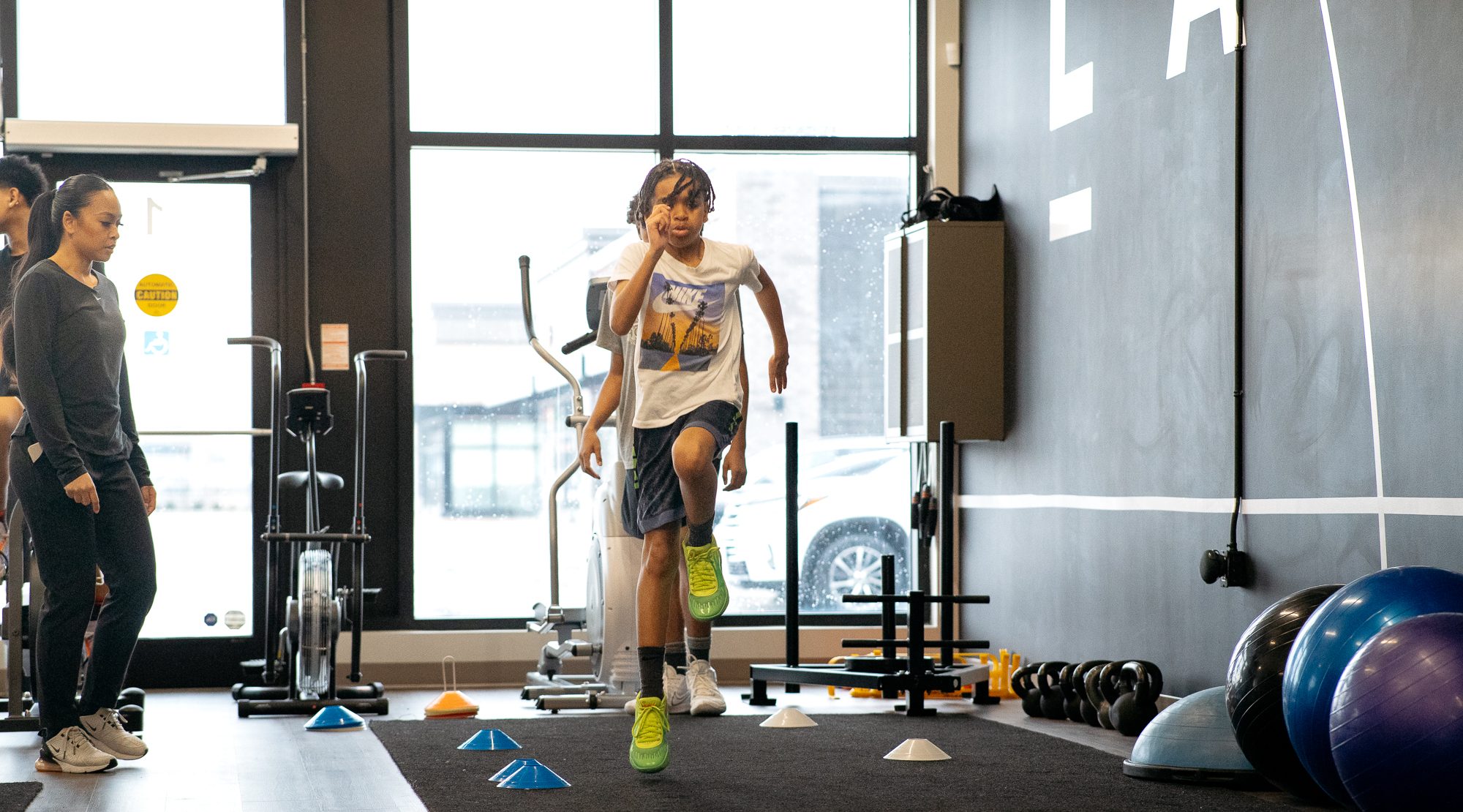
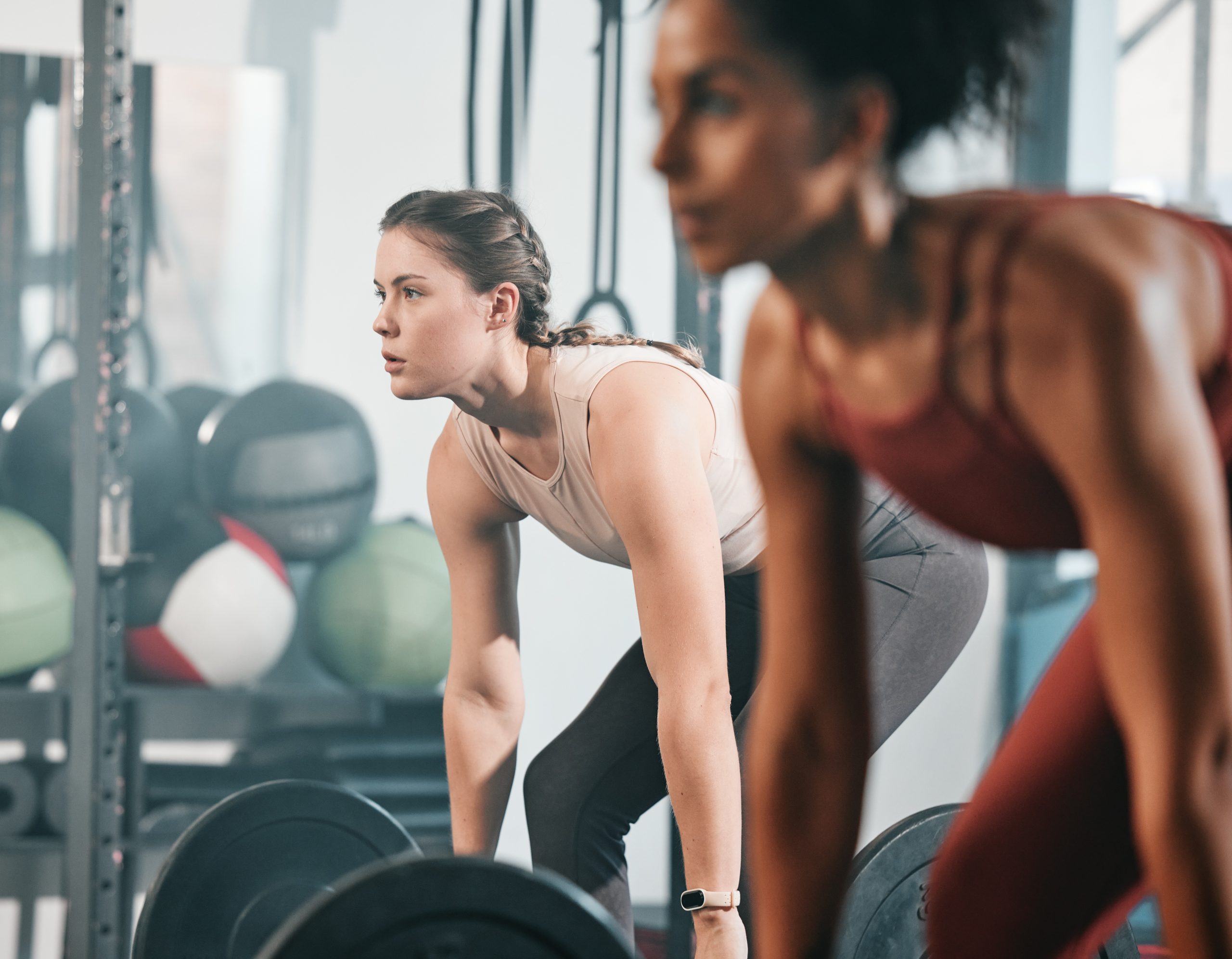
The exact amount of calories you burn with weightlifting depends on your body weight, age and the workout’s intensity. On average, light weight lifting for about 30 minutes burns 110 calories for a 154 lb person. Lifting heavier weights for about an hour burns 440 calories for a 154 lb person. People who weigh above 154 lbs will burn more calories compared to those who weigh less.
Weightlifting goes beyond just building bigger muscles. It plays a crucial role in burning calories during and after workouts, leading to sustained calorie burn and a stable weight. But, are you burning enough calories to reach your health goal with weightlifting?
Let’s find out.
What Does ‘Burning Calories’ Mean?
Calorie is the unit of energy that our body needs to function. Think of it like the fuel to our body, which is the machine. We need calories for everything – breathing, thinking, lifting weights or running marathons. Food provides us with calories. The body then breaks it down to release the energy stored within those foods.
Our body constantly burns calories throughout the day. It burns a tad more if you engage in physical activities like weightlifting. If the consumption of calories increases than the amount of calories burned, the excess energy is stored in the body as fat, leading to weight gain. Weight management boils down to the balance of calories you consume and calories you burn.
So, it is crucial to know how many calories you are exactly burning each day and whether that’s enough to help you lose weight.
What is Basal Metabolic Rate (BMR )?
BMR is the minimum number of calories your body needs to stay alive every day. It helps with major physiological functions like breathing, body temperature control, blood circulation and hormone production. So, if your BMR is 1000, your body burns at least 1000 calories per day to maintain the basic bodily functions.
A healthy BMR is unique to every individual. It differs on the basis of various factors like age, body size, genetics, hormones, diet and physical activity.
Can weightlifting increase BMR?
Yes, lifting weights can increase BMR by building lean muscle mass. More muscles burn more calories at rest resulting in a higher BMR. The results are not as immediate as in the case of cardiovascular exercises. But, a higher BMR means you will burn more calories when you are doing nothing all day, conþributing to weight management and well-functioning metabolism.
Can you lose weight/burn calories by lifting weights?
Yes, you can lose weight or burn calories with weightlifting. Lifting weights helps you gain lean muscle mass, which enables calorie burning even when the body is at rest. Your resting metabolic rate (RMR) increases significantly, causing you to burn more calories throughout the day.
Weightlifting vs Cardio | Which Burns More Calories?
Typically, cardio burns more calories than weight training for the same duration. But it burns only during the workout. Weightlifting, on the other hand, burns calories after the workout, leading to sustained weight loss. This is also known as the Excess Post-exercise Oxygen Consumption or EPOC effect. That means your body continues to burn more calories at rest as the muscles recover.
Reports suggest resting metabolism may stay elevated up to 38 hours after weight training. A study was conducted to calculate the resting metabolisms of different individuals during 24 weeks of weight training. It showed a 9% increase in men’s resting metabolic rates while there was a 4% increase in women. Research also shows you burn more calories specifically in the few hours after your weightlifting session, compared to cardio training.
Cardio burns calories in every session, while weightlifting does that every day, including when you are resting. A 155-pound individual can burn about 150-175 calories per 30 minutes of brisk walking. If they run at 6 miles/hour, they would lose around 365 calories in 30 minutes. On the other hand, the same person would burn around 110-130 calories by lifting general weights for 30 minutes.
Cardio is focused on improving your overall cardiovascular health. Weightlifting primarily builds strong muscles. Incorporating both strategically, without overdoing either of them, can help you burn the right amount of calories you need to achieve your weight goal. A strength trainer can guide you through the process. They can recommend the best types of exercises depending on your body weight, fitness goal and activity level.
How Many Calories Do You Burn with Weightlifting?
As mentioned earlier, the number of calories you burn with weightlifting varies from person to person. Heavier individuals burn more calories. Lifting heavier weights or performing more reps with minimal rest periods increases calorie burn. Compound exercises like deadlifts and squats burn more calories than isolation exercises, depending on your body weight, workout intensity and the exercises you perform.
Now, here are some general estimates for you to get an idea.
The calories you burn after lifting weights for an hour
| Body weight (in pounds) | Calories burn |
| 125 | 180 |
| 155 | 224 |
| 185 | 266 |
The calories you burn doing squats for 30 minutes
| Intensity of your squats | Body weight (in pounds) | Calories burned |
| Bodyweight squats (moderate intensity) | 155 | 100-150 |
| Weighed squats (adding weights increases the intensity and muscle engagement) | 155 | 150-250 or more than 250 |
| Jump squats | 155 | 200-300+ |
The calories you burn doing bench press for 30 minutes
| Body weight (in pounds) | Calories burn |
| 125 | 90-108 |
| 155 | 112-126 |
| 185 | 126-144 |
Which Factors Influence Calorie Burn in Weightlifting?
The amount of calories you burn while lifting weights is not fixed. It depends on your weight, muscle mass, intensity of the session, and the types of exercises you perform. Let’s understand how these factors influence calorie burn while you lift weights.
Body weight
The more you weigh, the more calories you burn. Calories are a measure of energy. It defines the energy required by your body to move and perform daily physical functions. Your body burns fewer calories as it loses weight, resulting in a weight loss plateau.
If two people with different weights perform the same weightlifting exercises for 30 minutes, the one with a heavier weight will burn more calories because of their greater energy expenditure during movement.
Muscle mass
Muscle mass is the total amount of muscle tissue in your body, including skeletal muscles, cardiac muscles and smooth muscles. It is more metabolically active than the fat tissue in your body. So, the muscles burn more calories at rest as compared to the fat tissue.
Two people can weigh the same and still have different muscle mass. The one with more muscles will burn a higher amount of calories during weightlifting exercises.
Age
Research suggests that the rate of burning calories slows down as we age, particularly after 60. Thus, an older individual is most likely to burn fewer calories than a younger person, even with the same muscle mass and workout intensity.
Sarcopenia is a process of naturally losing muscle mass, typically starting around our 30s. More muscle mass means burning more calories at rest. The loss of muscle mass, hence, leads to a lower overall calorie expenditure after weightlifting and even at rest.
Fitness level
Beginners or those with lower fitness levels are less familiar with the movement patterns involved with weightlifting. Thus, they need more energy (burn more calories) to perform the exercises. However, individuals experienced in weightlifting may need less energy to perform the same exercises and hence burn fewer calories.
Your fitness level determines the right time to level up in weightlifting. If you can comfortably perform the initial sets and reps without having to spend a lot of energy, it may not burn as many calories as required. That is when you need to lift heavier weights or increase the intensity of your workouts to challenge your muscles and maximize calorie burn.
Training intensity
Higher intensity workouts need more energy and thus result in a greater number of calories burned. Lifting heavier weights using shorter rest periods and incorporating compound exercises all contribute to burning more calories than a low-intensity workout. The compound exercises target multiple large muscle groups simultaneously, which leads to burning a greater number of calories during the training session.
How to Burn More Calories While Lifting Weights?
Weightlifting is not about burning calories during the workout. It is about building muscle mass so that the body can burn calories even when it is at rest. To achieve that, you must make the most of your training, maximizing calorie burn after every session.
Add more weights
Lifting heavier weights or increasing the resistance on a machine requires increased effort. Your muscles have to spend a greater amount of energy moving or stabilizing the extra load. This extra energy translates to burning more calories. It also contributes to building muscle mass, which helps burn calories at rest. Take short breaks of about 30 to 60 seconds between sets to turn your strength training session into more of a cardio-strength hybrid.
Incorporate compound exercises
The number of muscles you engage during workouts also plays a crucial role in calorie burn. Thus, focus on more compound exercises which work multiple large muscle groups simultaneously, resulting in higher calorie burn during and after the workout. According to a study, women who participated in compound movements targeting multiple joints showed a rise in their
Increase workout volume
You can lift light weights and still increase calorie burn by doing more reps within a set. More reps mean your muscles exert force against a resistance for an extended duration. This increases overall workout volume, leading to a higher calorie burn during the training itself.
Your muscles are doing more work even if the intensity per rep is low. Shorten the rest periods between sets to maximize the calorie burn, keep the heart rate elevated and stimulate the metabolic process.
Perform supersets/circuits
Supersets pair two exercises back-to-back with minimal rest. Circuits involve performing a series of exercises with little to no rest between them, repeated for a specific number of rounds. Both reduce your rest periods between exercises, leading to an elevated heart rate, increasing the workout’s intensity and boosting calorie burn. This also helps you accomplish a greater volume of work within the same timeframe.
Note: Lifting heavier or faster shows better results in calorie burn when you maintain the right form throughout the workouts. If you are starting new, don’t push yourself too hard lest you injure your muscles. Incorporate these techniques strategically into your workout plan under the supervision of a fitness coach to maximize the training.
Is it Easy to Lose Weight with Weightlifting?
Weightlifting helps lose weight, but might not show rapid, immediate drops on the scale initially. It is primarily focused on building muscle mass, which leads to an increased calorie burn when the body is at rest. This ability of weightlifting to increase the resting metabolic rate makes it effective in long-term calorie burn and weight management.
Weight loss is a journey. Working on a personalized workout structure ensures that you make the most of your sessions. A trainer can teach the right form, motivate you to reach your goals and strategically increase the demands on your muscles over time.
References
- American Council on Exercise. (n.d.). Calories burned by activity. ACE Fitness.
https://www.acefitness.org/education-and-resources/lifestyle/tools-calculators/physical-activity-calorie-counter/ - Harvard Health Publishing. (2021). Calories burned in 30 minutes for people of three different weights. Harvard Medical School.
https://www.health.harvard.edu/diet-and-weight-loss/calories-burned-in-30-minutes-of-leisure-and-routine-activities
- Centers for Disease Control and Prevention. (2022, April 6). Physical activity for a healthy weight.
https://www.cdc.gov/healthyweight/physical_activity/index.html
- Centers for Disease Control and Prevention. (2022, March 17). Benefits of physical activity.
https://www.cdc.gov/physicalactivity/basics/pa-health/index.htm
- Ainsworth, B. E., Haskell, W. L., Herrmann, S. D., Meckes, N., Bassett, D. R., Tudor-Locke, C., … & Leon, A. S. (2011). 2011 Compendium of Physical Activities: A second update of codes and MET values. International Journal of Behavioral Nutrition and Physical Activity, 8(1), 1–22.
https://digitalcommons.wku.edu/cgi/viewcontent.cgi?article=2051&context=ijes
- Hwang, P. S., Andre, T. L., McKinley-Barnard, S. K., Morales Marroquín, F. E., Gann, J. J., Song, J. J., & Willoughby, D. S. (2022). Resistance training-induced elevations in muscular strength in trained men are associated with increases in muscle hypertrophy, not neural adaptations. Frontiers in Physiology, 13, 902627.
https://pmc.ncbi.nlm.nih.gov/articles/PMC9374375/
- Thornton, M. K., & Potteiger, J. A. (2002). Effects of resistance exercise bouts of different intensities but equal work on EPOC. European Journal of Applied Physiology, 86, 511–517.
https://link.springer.com/article/10.1007/s00421-001-0568-y